 11
11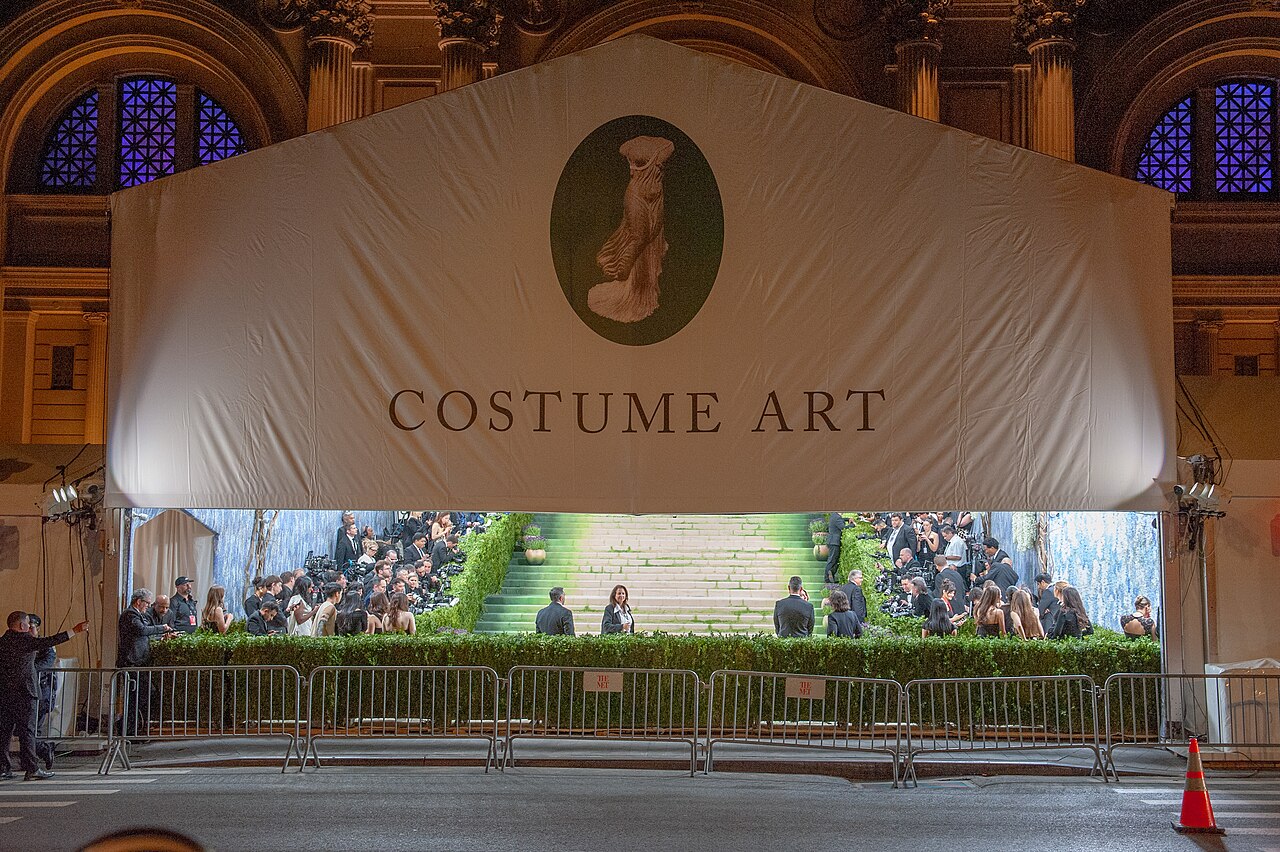
By Alvin Oduor
The theme, “The Body Electric: Fashion in the Age of AI,” set the tone for a night that blended creativity with technology. With the dress code “Coded Couture,” guests were challenged to go beyond traditional outfits and step into a world where clothing could interact, respond, and even communicate. In simpler terms, fashion was no longer just worn it was experienced.
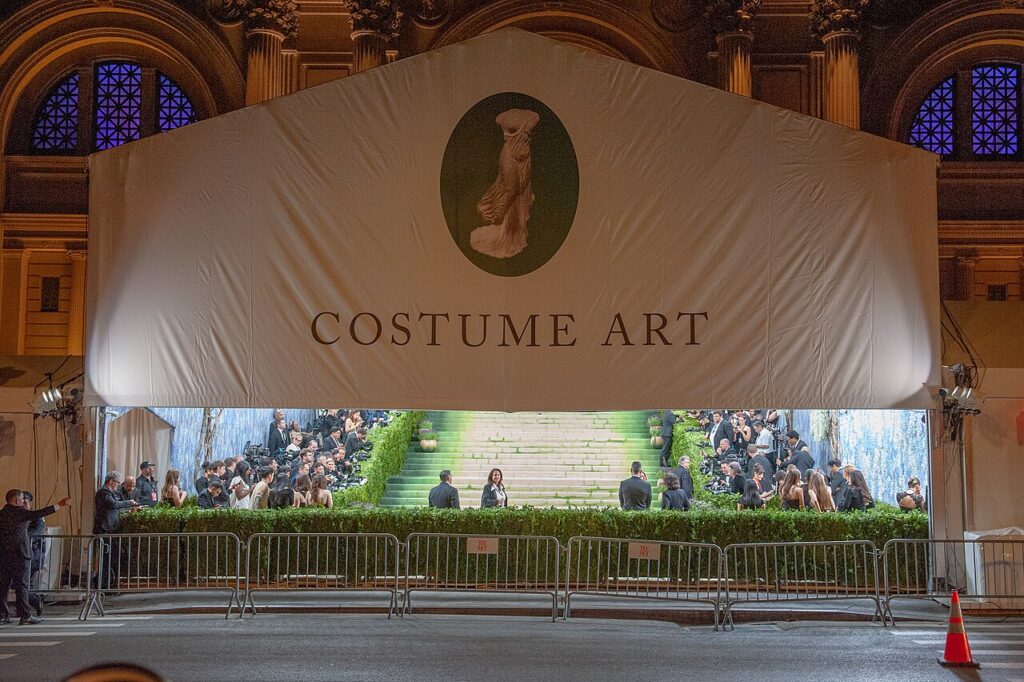
From the moment the first guests arrived, it was clear that this year’s Met Gala was about transformation. The red carpet itself felt like part of the show, reflecting the energy of the theme. Cameras flashed, fans watched from around the world, and every step taken on those iconic stairs carried a message: fashion is evolving.
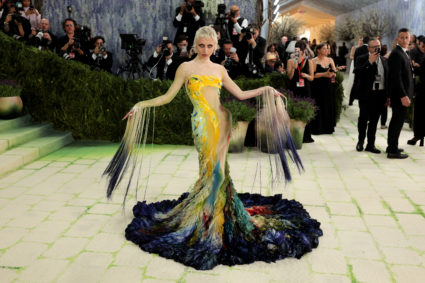
The guest list reflected the significance of the moment. Co-chairs included some of the most influential figures across industries from fashion and film to music and technology. Zendaya, known for consistently delivering unforgettable looks, returned with a style that once again set the standard. Alongside her were Timothée Chalamet, Grimes, and Sam Altman, representing the growing connection between fashion and artificial intelligence.
So, how did celebrities interpret such a futuristic theme?
For many, it meant embracing innovation in bold and unexpected ways. Dresses were no longer static pieces of fabric they became dynamic works of art. Some outfits featured materials that changed color with movement, while others incorporated lighting elements that made them glow under the night sky. A few designs went even further, using technology to react to the wearer’s body or environment.
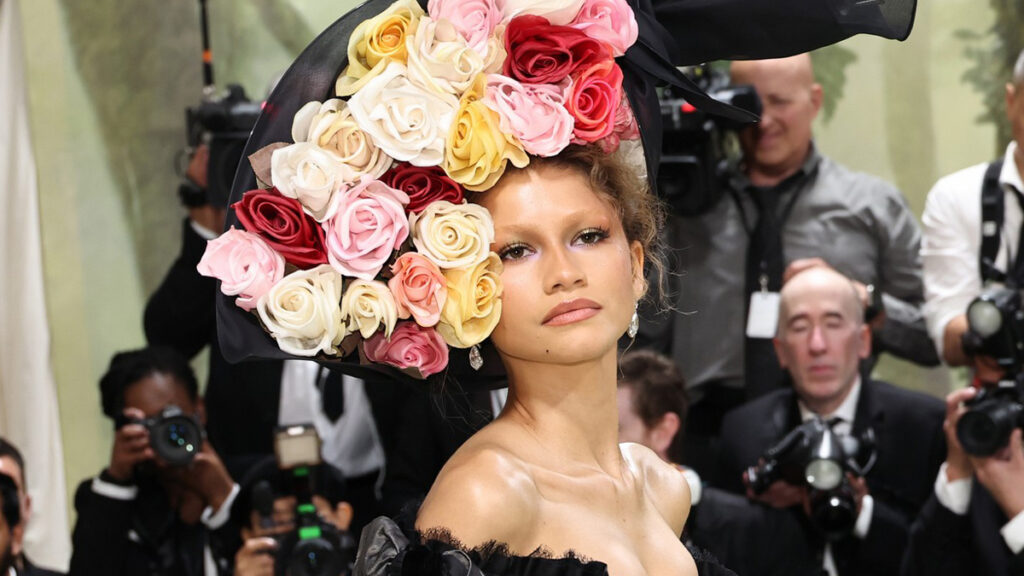
Zendaya stood out as one of the night’s most talked-about figures. Her outfit blended elegance with technology, proving that futuristic fashion doesn’t have to lose its emotional or artistic depth. It was not just visually striking but also meaningful, showing how design can tell a story while adapting to the moment.
Music star Bad Bunny brought a different energy, leaning into a playful interpretation of the theme. His outfit featured digital-inspired patterns that appeared to shift and change, creating a sense of movement even when he stood still. It was bold, slightly unconventional, and perfectly aligned with his personal style.
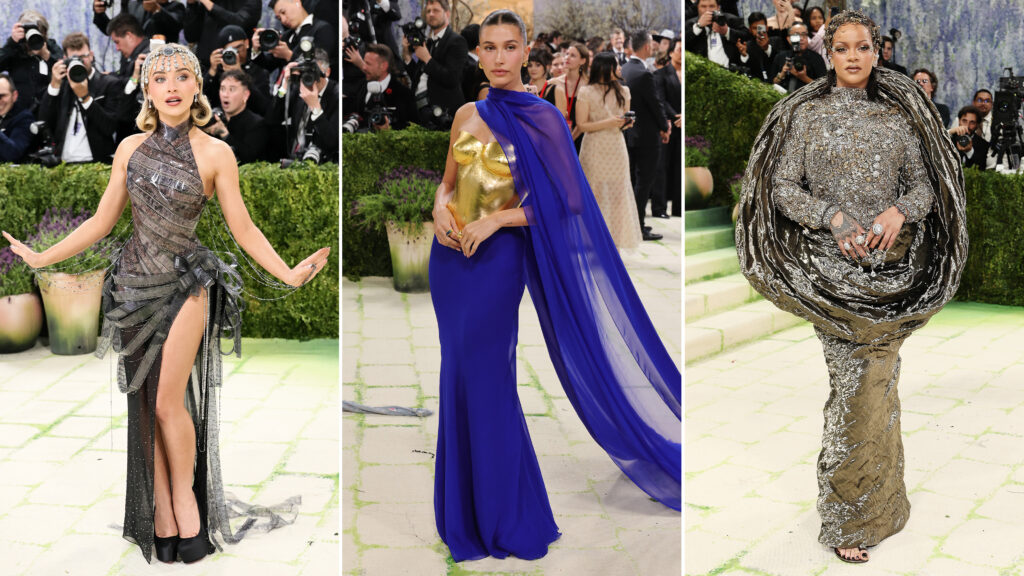
Meanwhile, Doja Cat once again proved why she remains one of the most unpredictable figures on the carpet. Her look sparked conversation across social media, blending performance with fashion in a way that challenged expectations. Rather than simply following the theme, she pushed it further, turning her appearance into a statement.
What made this year particularly impactful was how clearly it showed the direction fashion is heading. In previous years, themes such as Camp: Notes on Fashion celebrated exaggeration and humor, while Karl Lagerfeld: A Line of Beauty honored legacy and tradition. The 2026 Met Gala, however, focused on the future and not a distant one, but a future that is already taking shape.
Fashion is no longer just about craftsmanship, although that remains important. It is now also about innovation, collaboration, and the integration of technology into everyday life. Designers are experimenting with new materials, new ideas, and new ways of telling stories. The result is clothing that feels alive, responsive, and deeply connected to the world around it.
At the same time, the night raised important questions. When technology becomes part of what we wear, where does personal expression begin and end? Are we still choosing how we present ourselves, or are we being influenced by the systems behind the designs? These are not questions with simple answers, but they are conversations that the fashion industry and society as a whole is beginning to explore.
Despite all the innovation, one thing remained clear: authenticity still matters. The most memorable looks were not necessarily the most advanced or the most complex. Instead, they were the ones that felt true to the person wearing them. Whether it was Zendaya’s thoughtful elegance, Bad Bunny’s bold creativity, or Doja Cat’s fearless experimentation, the strongest moments came from a genuine connection between the individual and the design.
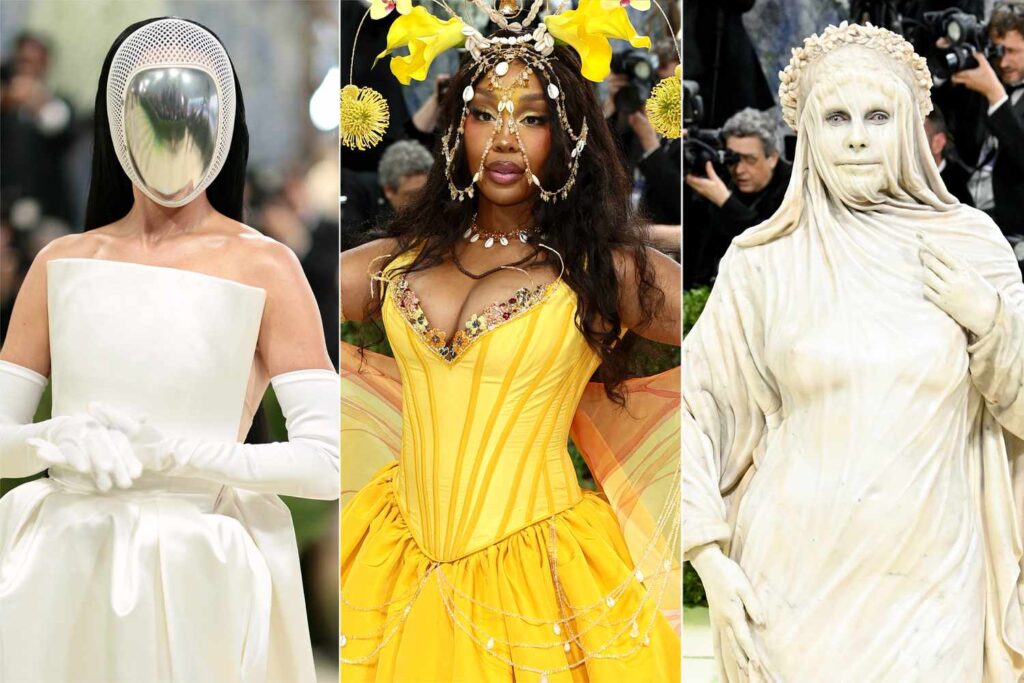
As the night came to a close, it was evident that the 2026 Met Gala was more than just an event — it was a reflection of a changing world. Fashion is no longer confined to fabric and stitching; it is becoming a space where art, technology, and identity intersect.
The steps of the Metropolitan Museum of Art have always been a place where trends are set and statements are made. This year, they became something more a glimpse into what fashion might look like in the years to come.